All Articles
Browse our complete collection of financial news and analysis
Market UpdateIran War Pushes RBA Into Back-to-Back Rate Hikes
Browse our complete collection of financial news and analysis
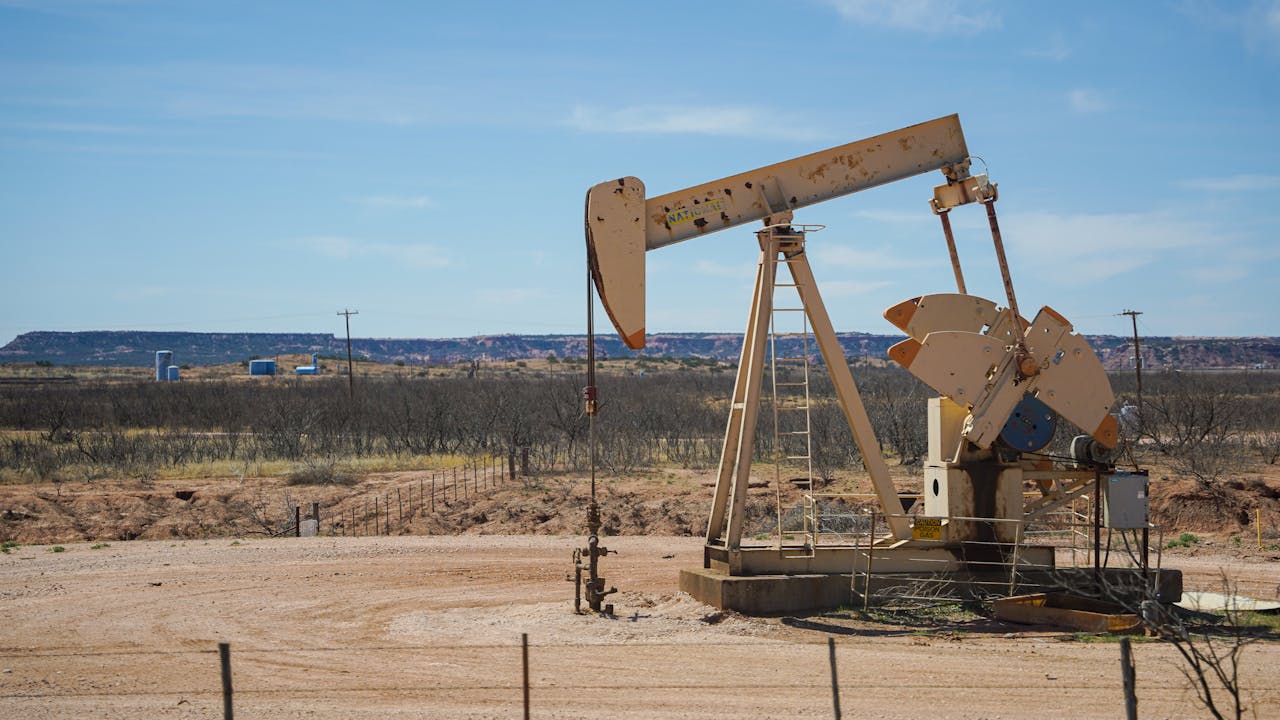
IEA signaled weaker oil demand momentum for 2026, while supply growth and rising inventories suggest the market remains structurally oversupplied.

The GDP report signals the U.K. economy remains stuck in a fragile low-growth phase, with strength coming from production while domestic demand and services momentum appear weak.

Schmid said policy no longer restrains growth, warned inflation may stay near 3%, and urged maintaining restrictive rates to keep pricing pressure from getting entrenched.

January payroll gains beat estimates, while unemployment dipped, and benchmark revisions cut 2025 job growth sharply.

If China increases U.S. soybean purchases without boosting overall global demand, the rally may fade as exports simply shift between suppliers.

EIA sees oil prices falling as supply outpaces demand, while natural gas stays supported by winter demand before easing as production rebounds later.

December retail sales disappointed expectations, with broad weakness across categories and a decline in the key control group measure of core consumer spending.

Agricultural futures are steady ahead of Friday’s WASDE, with traders watching ending stocks for soybeans, corn, and wheat for directional price cues and volatility.
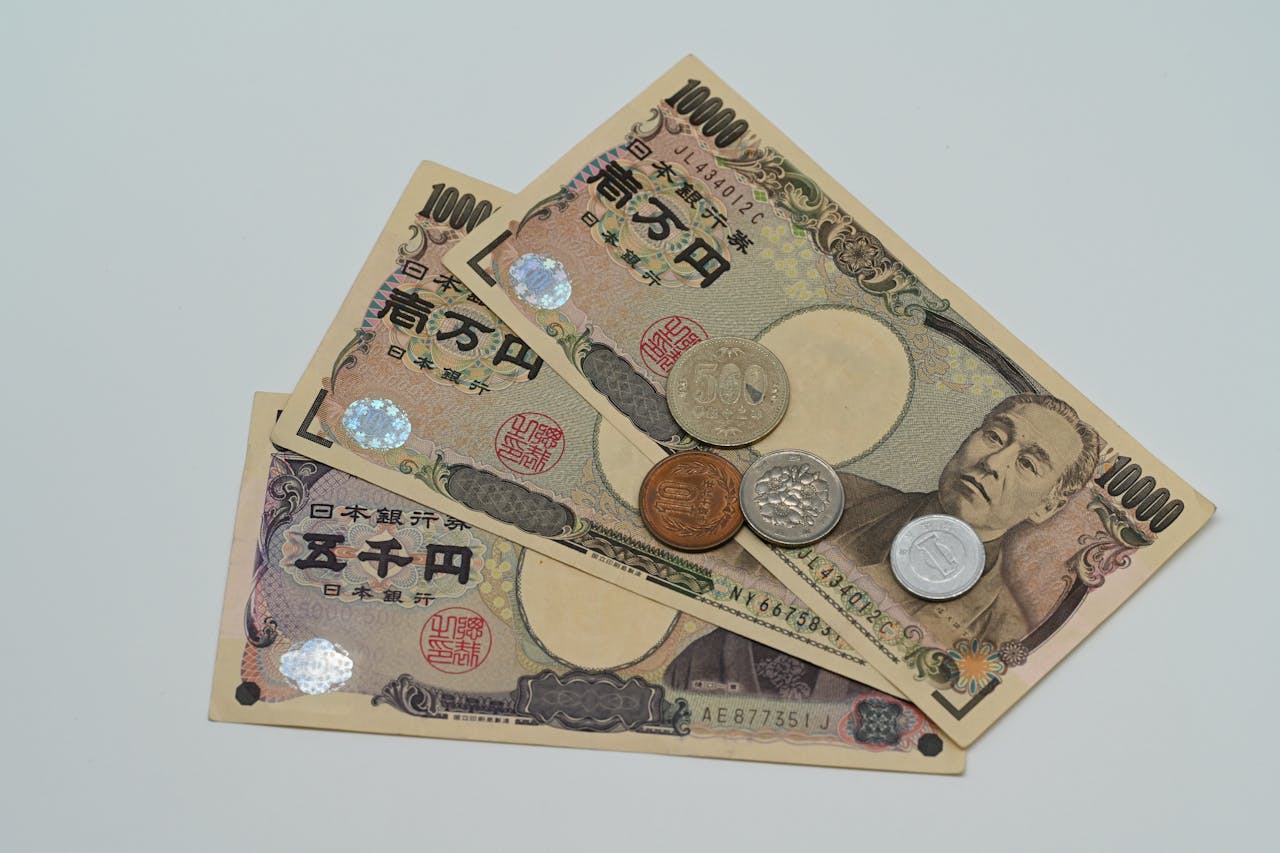
Japan’s election outcome removes political uncertainty and reinforces a policy mix that keeps the yen structurally weak in the near term.
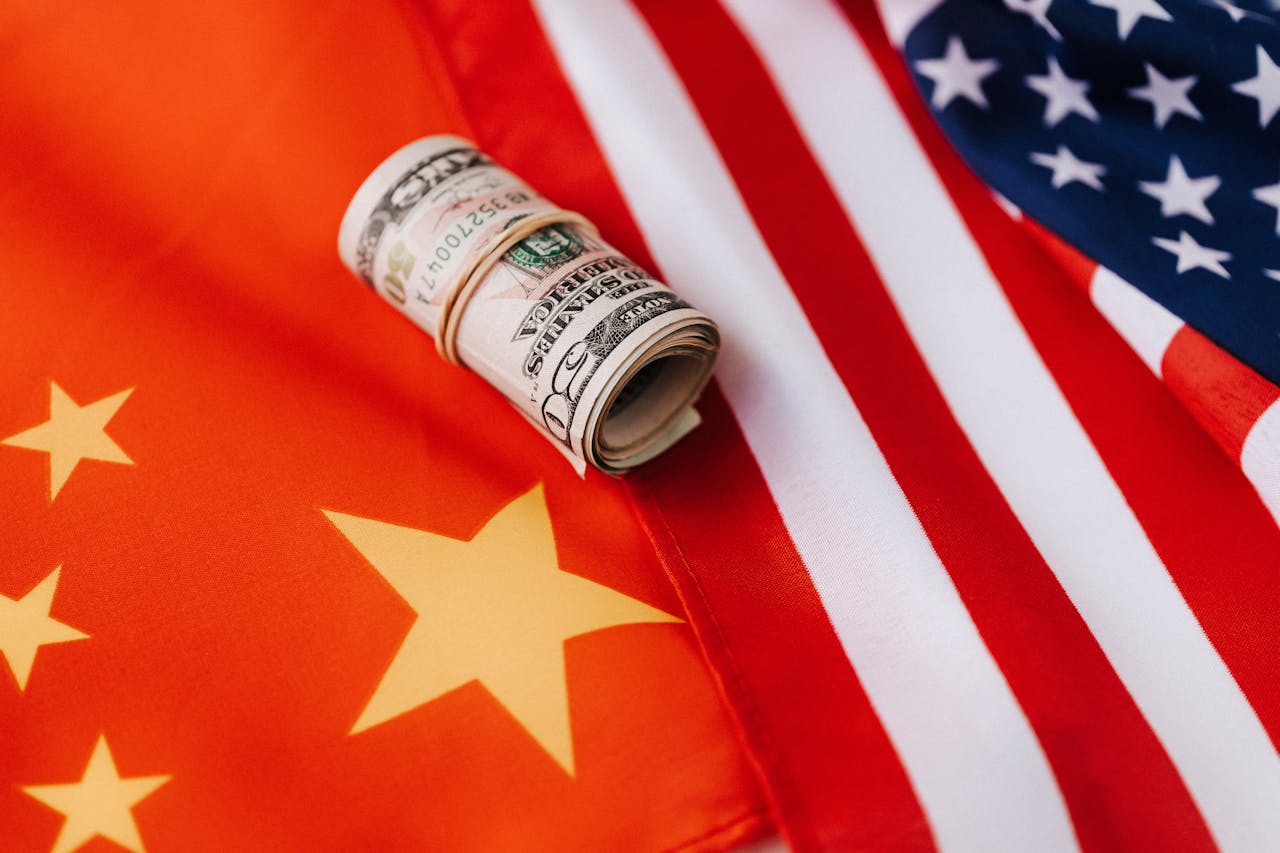
U.S. Treasuries were little changed Monday after Bloomberg reported China asked banks to limit Treasury purchases and reduce exposure.

Consumer sentiment ticked up in February, driven by wealthier households, while inflation fears eased slightly and spending outlook stayed cautious.

Labor indicators point to weakening demand, rising layoffs, and softening hiring momentum, signaling a fragile labor market and cooling wage pressures.
