All Articles
Browse our complete collection of financial news and analysis
Market UpdateIran War Pushes RBA Into Back-to-Back Rate Hikes
Browse our complete collection of financial news and analysis
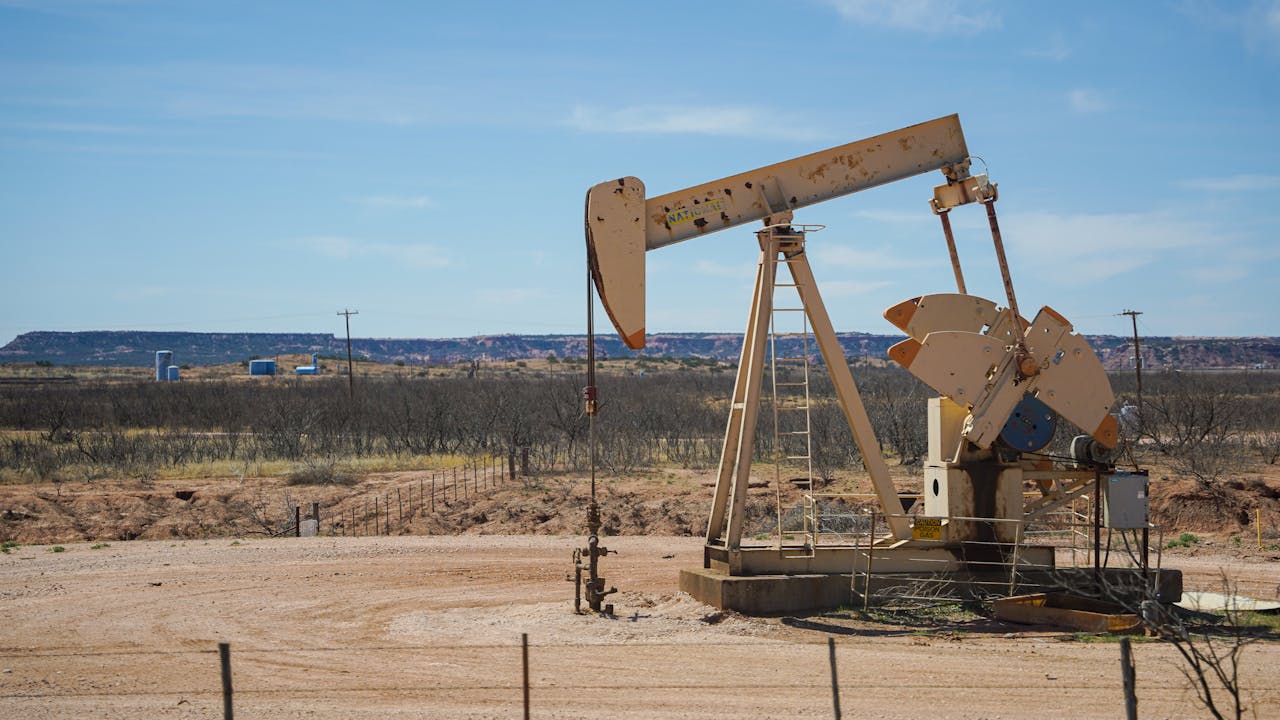
Renewed geopolitical tensions around the Strait of Hormuz and a refinery explosion in Texas heightened supply concerns, driving a broad-based rebound across crude, fuels, and natural gas markets.

Regional stocks rise modestly as easing inflation data and currency moves support gains, though oil shocks and geopolitical uncertainty continue to weigh.

Gold enters a bear market as rising yields and a stronger dollar outweigh geopolitics, with macro forces driving risks and future direction.

Iran strikes cripple Qatar's Ras Laffan Industrial City, tightening LNG supply and lifting prices, stoking fears of cascading global economic and market risks.

G10 central banks hold rates steady and issued cautious commentary, citing Iran war-driven energy shock risks, and the forex market showed muted reaction to the decisions.

Brent spikes as Iran-Israel attacks hit energy assets, damaging LNG infrastructure, lifting prices and escalating global market risks
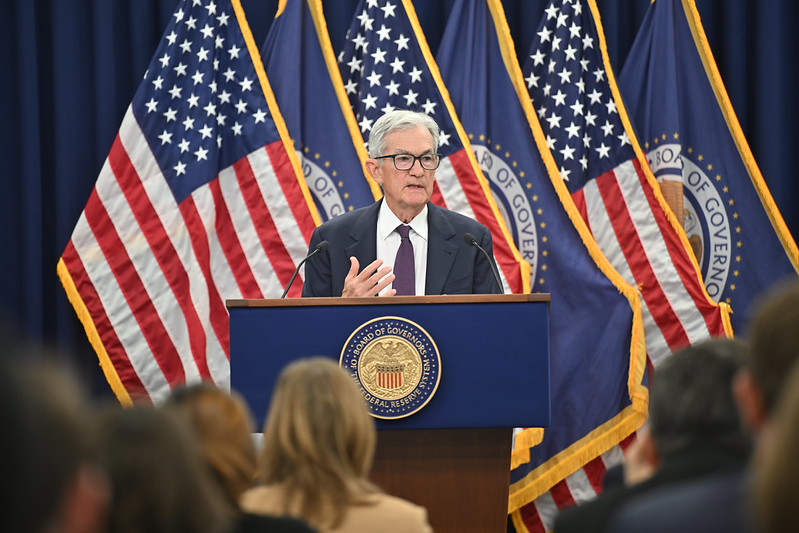
The Fed chose to wait and watch how inflation plays out in the aftermath of the Middle East shock but remained optimistic of the economic momentum.
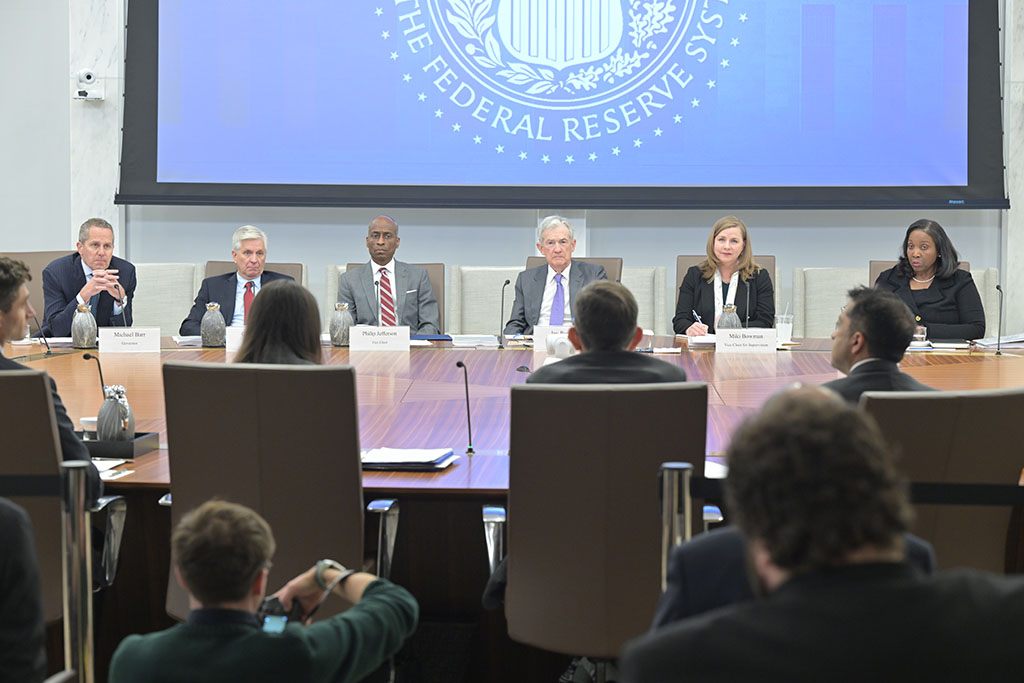
Surging wholesale inflation and a near-certain Fed pause converge, with 100.5 flagged as the decisive technical breakout level to watch for the dollar futures.

Cuba crisis adds Caribbean shipping risk and the prospect of tightening energy logistics, potentially lifting prices and unsettling the already fragile market sentiment.

The Reserve Bank of Australia delivered a narrowly split 25-bps hike to 4.10%, signaling a renewed tightening bias as persistent inflation and war-driven energy shocks complicate the policy outlook.
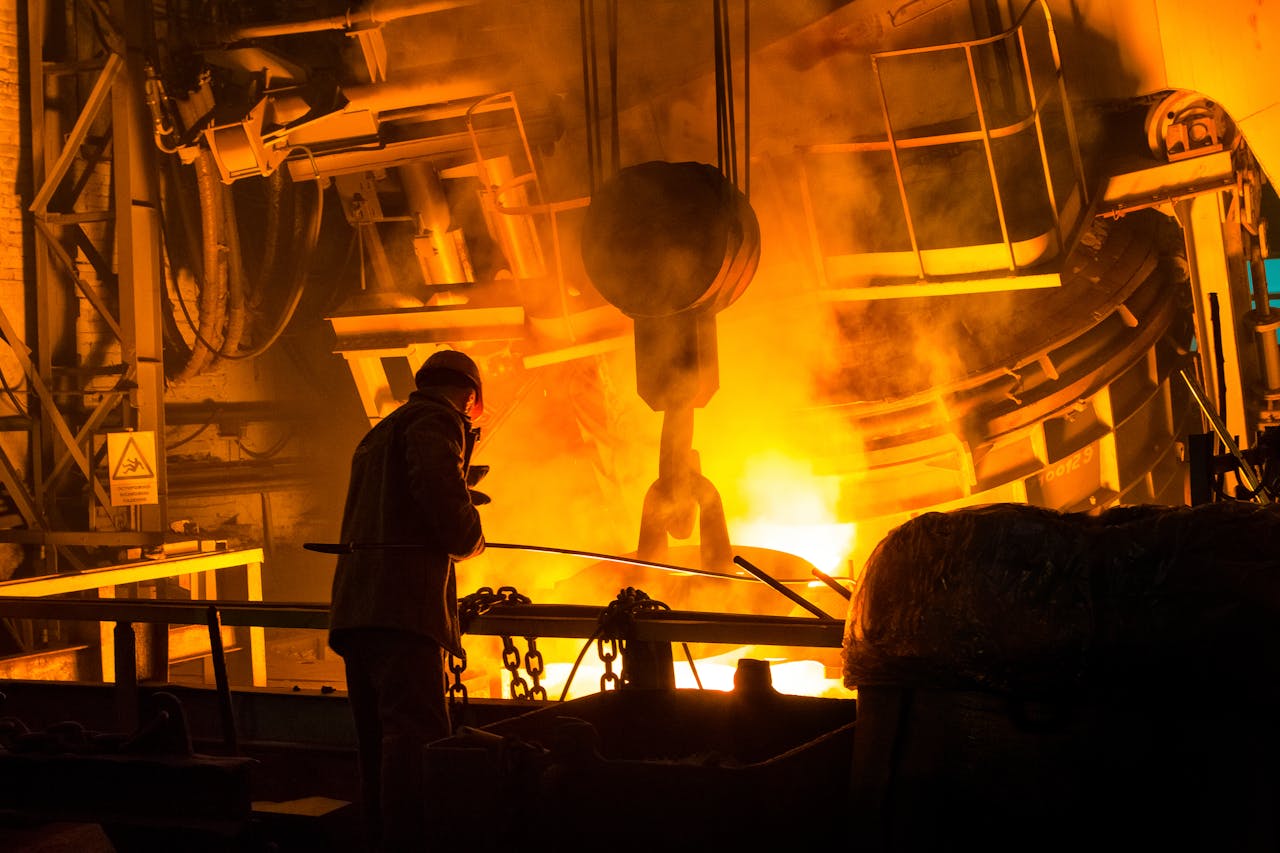
New York manufacturing stalled in March, even as manufacturers remained cautiously optimistic about investment and future business conditions ahead of the FOMC meeting.

Economic data signals stagflation risks as inflation stays sticky and growth softens, while resilient labor markets complicate the Federal Reserve’s policy outlook.
