All Articles
Browse our complete collection of financial news and analysis
Market UpdateIran War Pushes RBA Into Back-to-Back Rate Hikes
Browse our complete collection of financial news and analysis
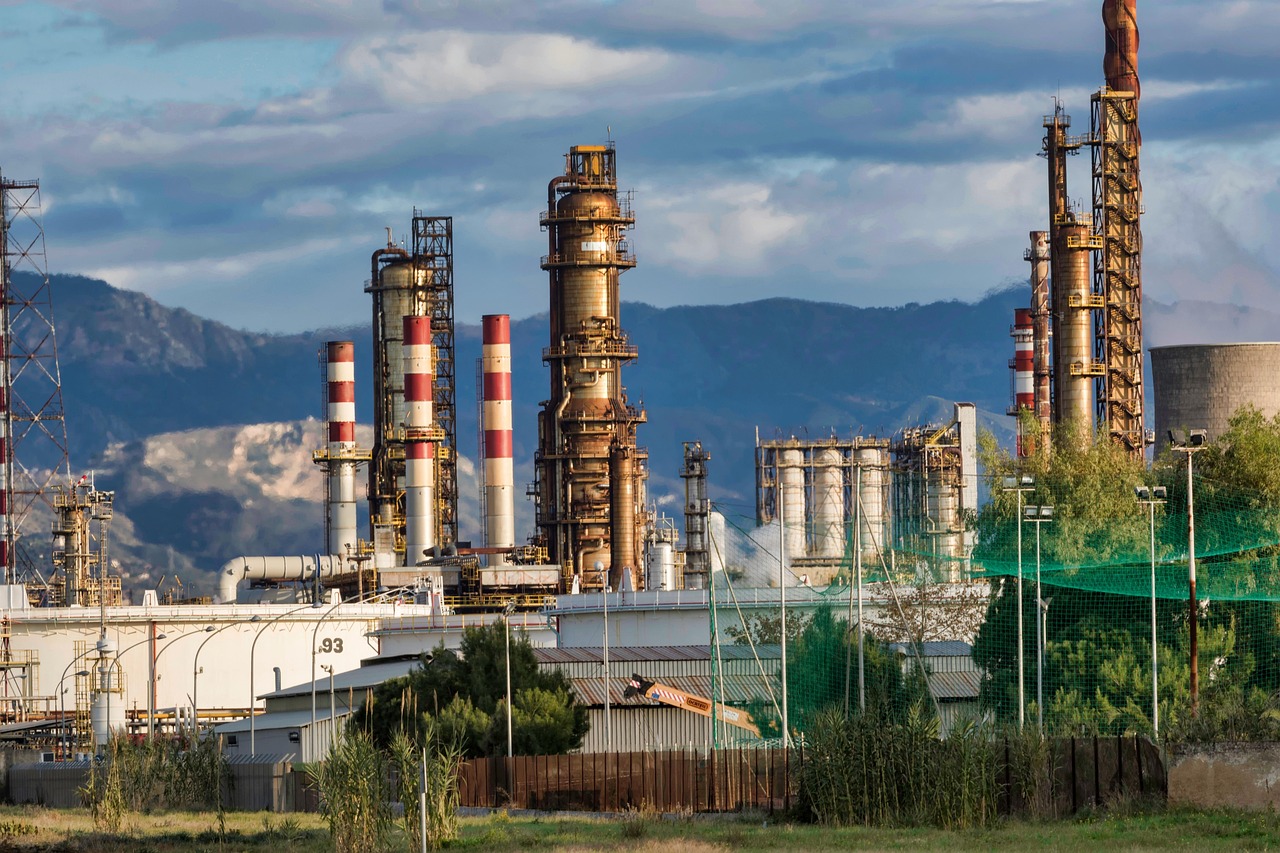
Oil prices surge on Middle East conflict fears as Gulf supply disruptions and Hormuz shipping risks raise the possibility of major energy shock.

U.S. payrolls unexpectedly fell in February, unemployment ticked up and wage growth stayed firm, confounding the policy path for the Fed.

Escalating U.S.-Iran tensions and oil supply risks raise stagflation concerns, complicating global monetary policy outlook ahead of key economic data.

Labor market data hinted at a tentative recovery, with steady jobless claims, declining layoffs, modest hiring plans and productivity growth.
China’s slower growth target and restrained policy goals signal a cautious economic outlook, keeping global futures traders alert to shifting demand trends.
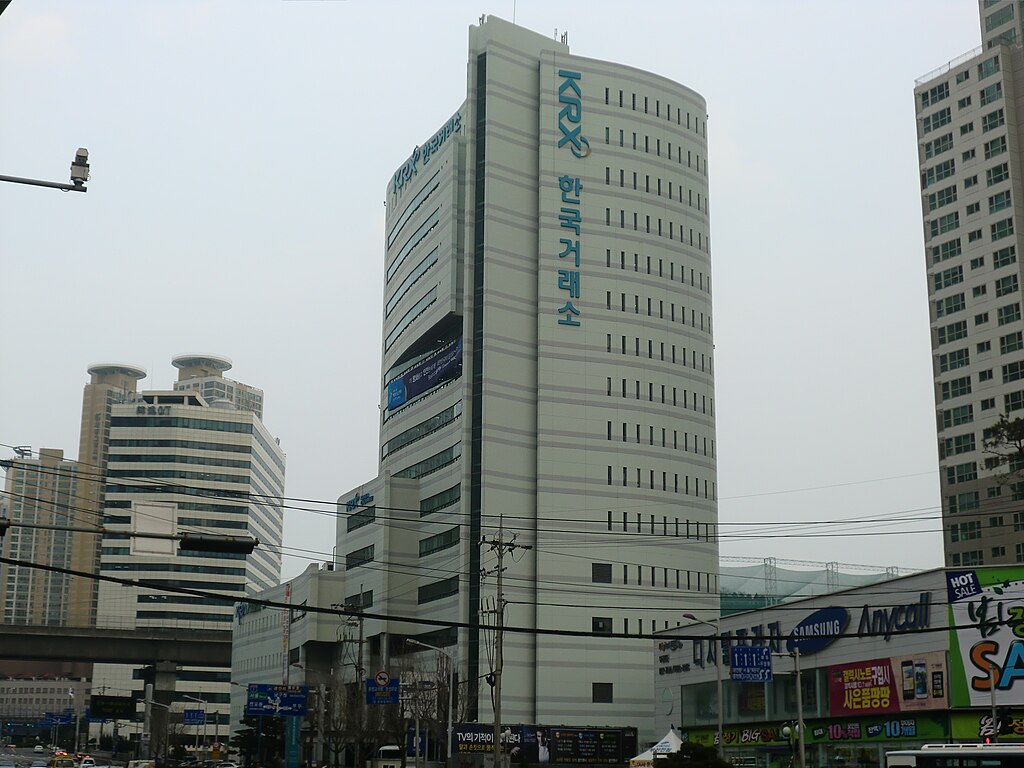
South Korean stocks tumbled as Middle East tensions and rising oil triggered inflation fears, unwinding tech-driven rally before partial recovery.

Stronger February ADP jobs beat estimates, but revisions and narrow sector gains temper optimism ahead of the closely watched NFP report.

Eurozone PMI signaled modest expansion in February, with services momentum improving but overall growth still below long-run average.
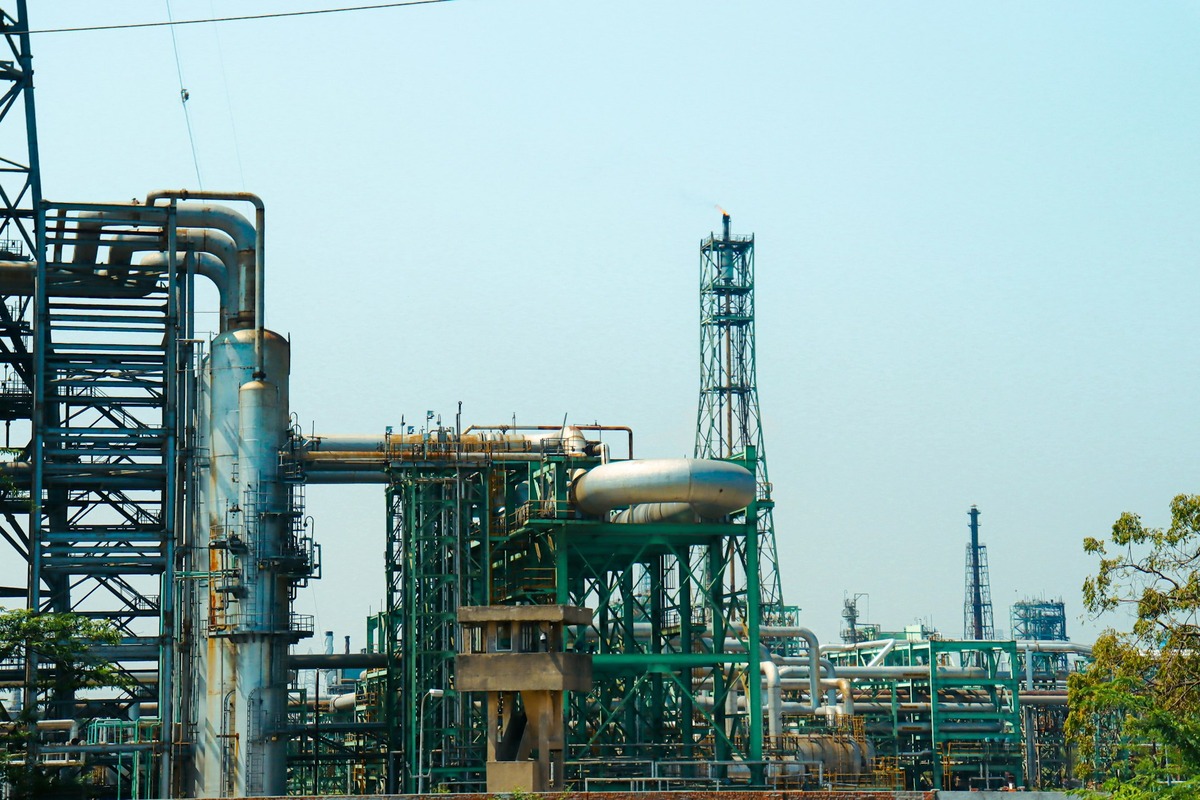
Middle East tensions disrupt LNG flows, sending global gas benchmarks soaring while U.S. prices lag amid domestic oversupply.

Eurozone inflation unexpectedly accelerated in February, raising ECB policy risks as Middle East tensions threaten renewed energy-driven price pressures.

The Dollar Index futures climbed past 99 on safe-haven demand and rate pause bets, while Japanese Yen Futures weakened despite rising yields.

Manufacturing growth held up in February as production and new orders remained firm, according to two separate surveys released Monday.
