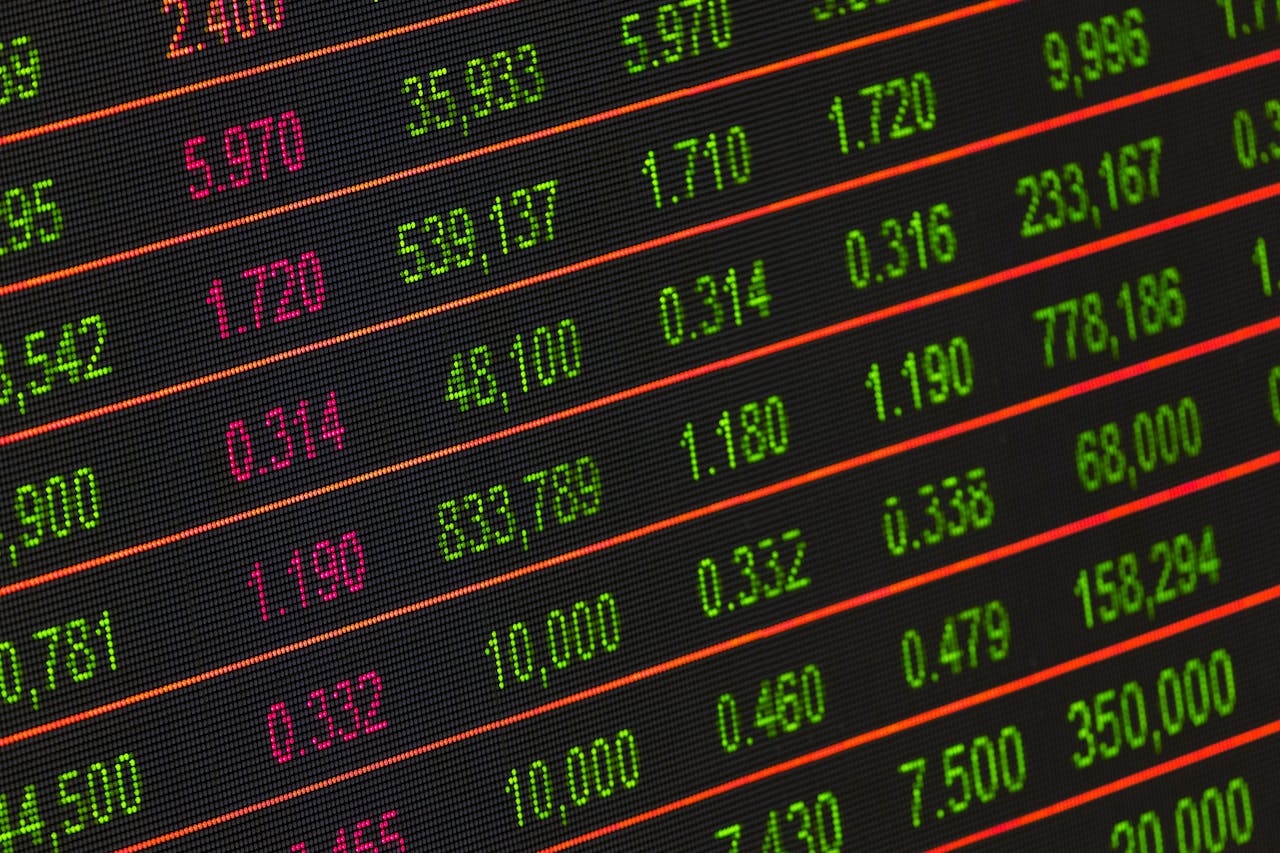
A rebound is underway in Asian equity markets on Tuesday, tracking gains on Wall Street, as improving global cues lift investor sentiment. However, the recovery remains cautious, with uncertainty persisting over whether the ongoing U.S.-Iran conflict will see a meaningful resolution.
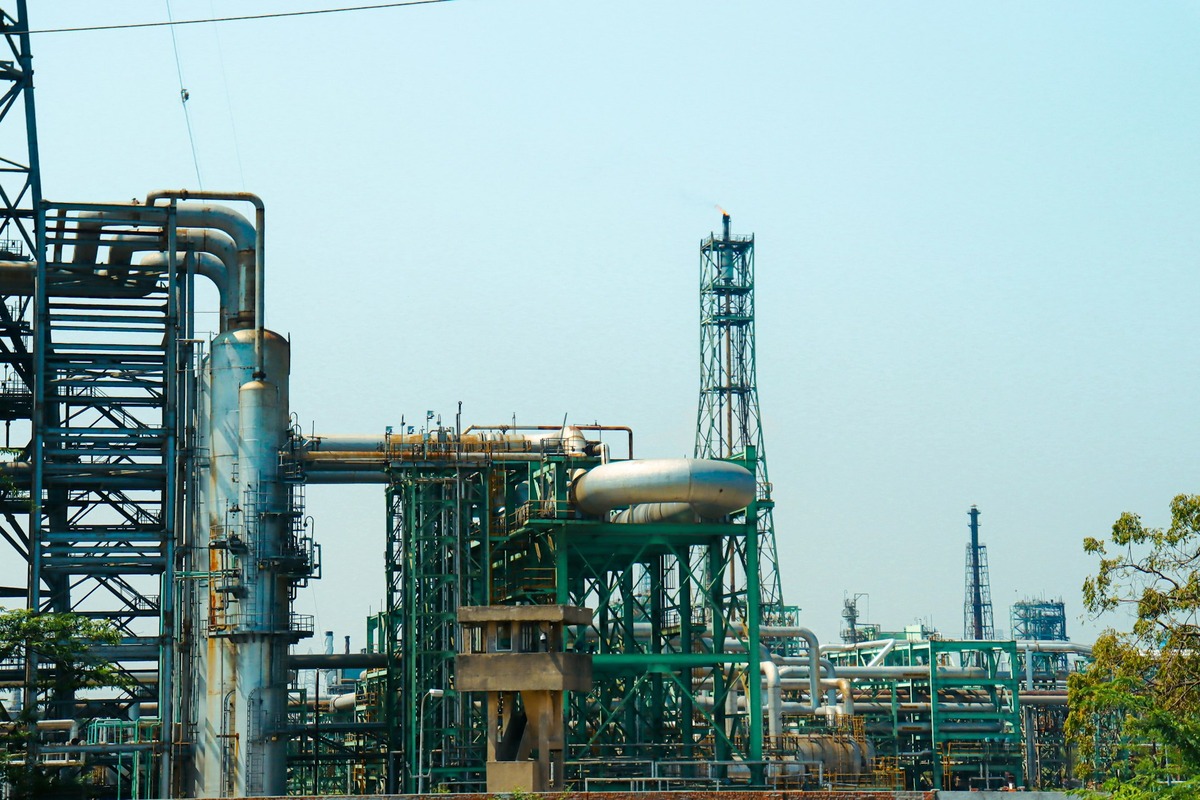
The Middle East war that started on Feb. 28 has entered its 25th day, with the prolonged conflict threatening to stoke inflationary pressure via oil’s surge.
Talks or No Talks: Conflicting Signals Emerge: After giving a 48-hour deadline to Iran for reopening the Strait of Hormuz late Saturday, U.S. President Donald Trump did an about-face. In another post on the Truth Social platform, the president said the U.S. and Iran had “very good and productive conversations” over the weekend to resolve hostilities and that he has stalled all military strikes on Iranian power plants and energy installations for a five-day period.
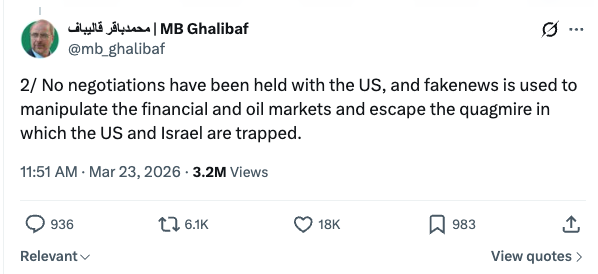
But Iran refuted Trump’s claims. “No negotiations have been held with the US, and fake news is used to manipulate the financial and oil markets and escape the quagmire in which the US and Israel are trapped,” said Iranian Parliament Speaker on his X account.
Also, Iranian state news agency IRNA said a Foreign Ministry spokesperson dismissed claims of any talks with the U.S. “Iran's position on the Strait of Hormuz and the prerequisites for ending the war remains exactly as before,” he reportedly said.
Kospi, Nikkei Fight Back: South Korea’s key stock market gauge, the Kospi Composite Index, traded up over 2% in late afternoon trading, and the Japanese Nikkei 225 Index gained nearly a percent. The export-heavy nature of the Japanese market also aided sentiment as the yen retreated following the release of tamer core consumer price inflation data for February.
The Kospi 200, comprising 200 of the largest and most liquid companies on the domestic exchange, also firmed up. On Monday, a sidecar (a volatility circuit breaker) was triggered after the index dropped over 5% in a minute due to the Middle East tensions.
The Kospi Composite Index was the best-performing stock market gauge in 2025, thanks to its weighting tilted toward tech stocks. Stocks such as Samsung Electronics and SK Hynix, which are leveraged to artificial intelligence (AI) technology, have been on a tear due to rising demand for their memory chips.
South Korea’s heavy reliance on imported oil has also increased headwinds amid the oil shock triggered by the partial closure of the Strait of Hormuz in the Persian Gulf. To make matters worse, the Korean won has weakened, which has the potential to push up import bills, resulting in import price inflation.
The Kospi peaked at 6,347.41 on Feb. 27, and has fallen over 15% since then.
The outlook, however, is uncertain. The Nikkei/Yen Futures (NIY), the contract tied to the Nikkei 225 Average, fell over 2.5%, reflecting the lack of conviction among traders.
Read Next: Gold Enters Bear Market Amid US-Iran War: What History Says Happens Next