All Articles
Browse our complete collection of financial news and analysis
Market UpdateIran War Pushes RBA Into Back-to-Back Rate Hikes
Browse our complete collection of financial news and analysis

Corn and wheat acreage is projected to decline in 2026 while soybean and cotton plantings increase, as U.S. grain stockpiles as of early March rise year over year despite concerns over tighter future supply.

The labor market showed early signs of cooling in February, with job openings declining and hiring slowing but consumer confidence edged up in March, accompanied by rising inflation expectations and growing recession fears.

Escalating strikes across Iran, Israel aGulf states are sustaining oil’s risk premium and driving volatility across global energy markets.

Escalating Middle East tensions lifted oil and increased risk aversion but Morgan Stanley makes the case that the correction may be coming to an end.
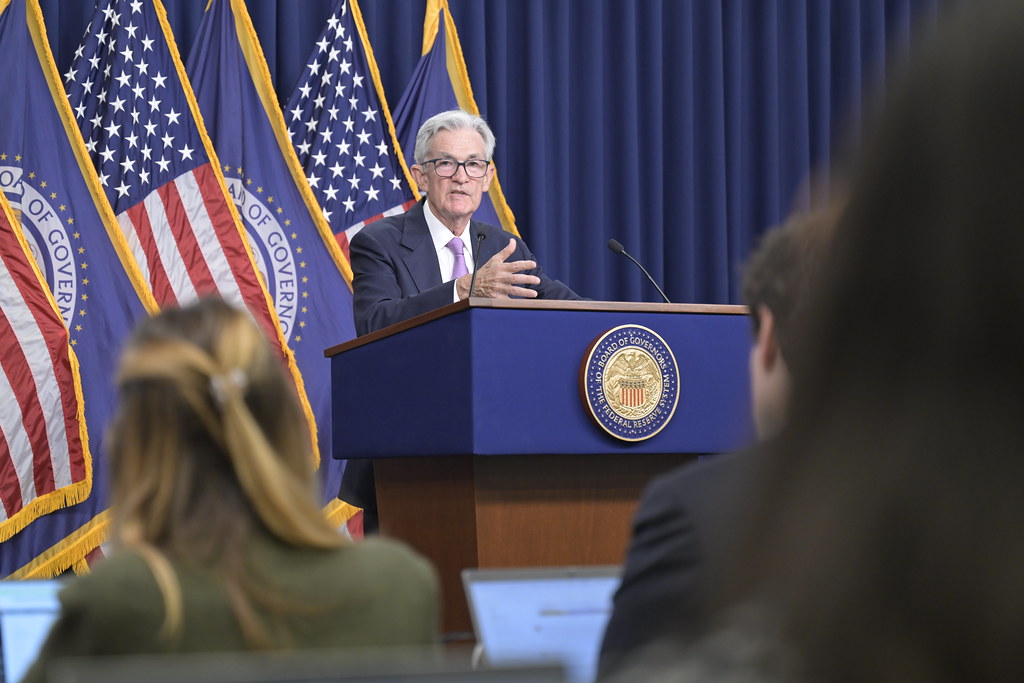
Powell signaled a “wait-and-watch” approach for assessing the inflationary effects of the supply shock stemming from the U.S.-Iran war and expressed confidence in inflation returning to the central bank’s target.

The Euro weakened as business and consumer sentiment weakened and inflation expectations rose, as geopolitical tensions from the Middle East conflict increased uncertainty.

Crude remains poised for a record monthly surge as Houthi missile attacks open a new Red Sea front, intensifying Iran war risks and disrupting key shipping routes.
Donald Trump’s Iran conflict drove oil above $110, fueling inflation fears, and pressuring the Nasdaq 100 futures into correction.

Oil rose over 2% despite Donald Trump delaying action against Iran, as persistent tensions, supply disruptions, and stranded vessels continue to fuel volatility and keep crude prices elevated.

German business sentiment fell as firms cited war-driven oil shocks, delaying recovery but the euro stayed resilient.

The Trump administration’s peace push and Pakistan mediation lift markets despite ongoing U.S.-Iran conflict and persistent uncertainty.

The market received the mixed private sector activity readings positively but the war impact is beginning to show up on metrics such as prices, employment and export orders.
