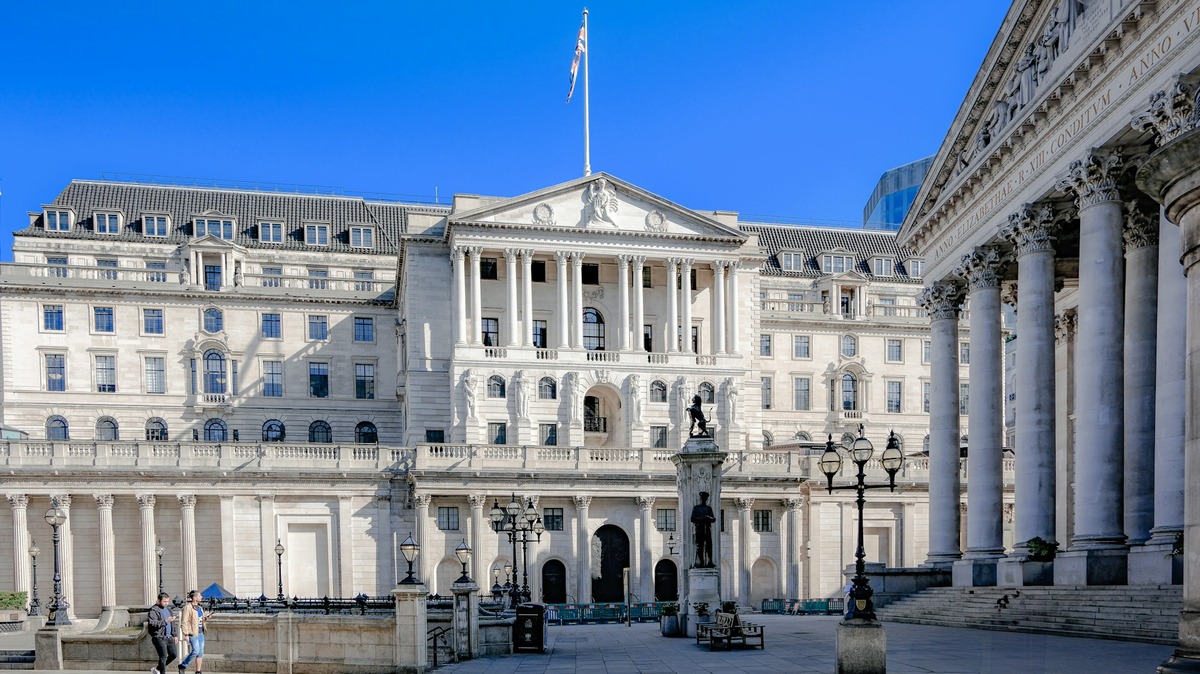
At its first meeting of the year, the Bank of England’s (BoE) Monetary Policy Committee (MPC) opted to keep its main policy rates unchanged as part of its mandate to keep the U.K.’s inflation at 2% over time.
Another Close Call: The BoE maintained the Bank Rate unchanged at 3.75% at the end of the MPC meeting that concluded on Thursday. The decision was another close just as in December, with the pause decision adopted by a 5-4 margin.
The central bank had cut rates six times since Aug. 2024, effecting a cumulative 150 basis-point reduction, with the most recent being a quarter-point cut in December.
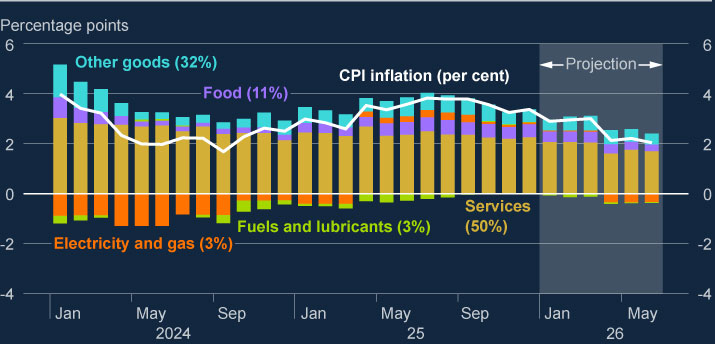
BoE said it expects inflation to fall back to around its 2% target from April, basing its expectations on developments in energy prices, including from Budget 2025. “Reflecting the impact of monetary policy, and consistent with evidence of subdued economic growth and building slack in the labour market, pay growth and services price inflation have generally continued to ease,” the central bank said.
Latest price data released in late January showed the annual consumer price inflation for December at 3.4% versus the 2% BoE target, and rising from 3.2% in November.
While acknowledging that inflation risk is less pronounced, the BoE said “some risks to inflation from weaker demand and a loosening labour market remain.” It believes that current evidence suggests further reduction in rates is likely, but stay tuned to how the inflation outlook evolves to decide on the extent and timing of further easing.
Where are Rates Headed? A hold decision after a series of cuts and the language of the monetary policy statement suggest a temporary pause in easing, not a pivot to tightening. The 5-4 vote margin points to a stance leaning toward dovishness. BoE Governor Andrew Bailey cast the deciding vote once again, joining the hawks, to maintain the status quo stance.
Read-across for Futures Traders: Going by the vote split at the February meeting, rate cuts could materialize in March, depending on macroeconomic conditions. Ahead of the February decision, ING economists said they still expect a cut in March despite inflation staying above 3%.
The spotlight now shifts to the January inflation print due later this month, and other macro variables such as wage growth and the labor market. Softening inflation could be bullish for longer-dated gilts and bearish for the pound sterling. The pound-USD futures (6B) trading on the CME Group slid moderately following the rate decision.
Read Next: US Services PMI Signals Expansion, But Underlying Weakness Keeps Traders Guarded